Sexually Transmitted Infections
A Comprehensive Guide to Sexually Transmitted Infections (STIs)
Sexually Transmitted Infections (STIs) are serious health conditions that can be passed from person to person, most commonly through vaginal, anal, and oral sex. If left untreated, many STIs may cause severe and lifelong consequences. The bacteria, viruses, and parasites that cause sexually transmitted infections can be spread through blood, semen, vaginal secretions, breast milk, and other bodily fluids.
This guide will help you understand the severity and scope of sexually transmitted infections, risk factors, effects, and common signs and symptoms.
Understanding STIs
What are STIs?
Sexually Transmitted Infections (STIs) are a major public health challenge across the United States, and Oklahoma is no exception. This article aims to raise awareness about STIs, their effects, symptoms, risk factors, and the importance of prevention. Let’s work together to reduce the impact of STIs in Oklahoma!

Sexually Transmitted Infections (STIs): A List
A range of infections fall under the umbrella of Sexually Transmitted Infections (STIs). Here’s a breakdown of some common STIs caused by bacteria, viruses, and parasites:
Bacterial STIs
Viral STIs
- Human Papillomavirus (HPV)
- Genital Herpes
- Hepatitis B
- Hepatitis C (primarily transmitted through blood contact, but can also be spread through sexual contact in some cases)
- HIV (Human Immunodeficiency Virus)
Parasitic STIs
STIs and HIV: The Connection
HIV and other STIs are closely intertwined. Having an STI increases your risk of contracting HIV due to inflammation and possible open sores providing easier routes for the virus to enter the body.
STI Symptoms & Risk Factors
What to Watch For
STIs with Symptoms
- Sores, bumps, or rashes on or around genitals
- Unusual discharge from the penis or vagina
- Painful or frequent urination
- Itching, redness, or swelling in the genital area
- Flu-like symptoms (fever, swollen glands) in some cases
STIs Without Symptoms
Crucially, many people with STIs have no symptoms at all, including chlamydia, gonorrhea, HPV, and even HIV in the early stages. This is why regular testing is vital!
STI Symptoms in Females
While many STI symptoms apply to all genders, women might experience:
- Abnormal Vaginal Discharge: Changes in color, odor, or consistency.
- Vaginal Bleeding: Bleeding between periods or after sex.
- Pain During Sex: Unusual or increased discomfort.
STI Risk Factors
The following sexually transmitted diseases risk factors increase your risk of contracting an STI:
- Unprotected Sex: Not using condoms or other barrier methods greatly increases your risk.
- Multiple Sexual Partners: The more partners you have, the higher your risk becomes.
- Age: Young people (ages 15-24) are disproportionately affected by STIs.
- Substance Abuse: Impairment from drugs or alcohol can lead to riskier sexual choices.
- Existing STIs: Having one STI makes you more susceptible to others.
- Socioeconomic Factors: Poverty, limited access to healthcare, and stigma can increase STI risk in certain communities.
STI Testing
Why Get Tested?
- Early detection allows for prompt treatment, preventing complications and transmission.
- Peace of mind for both you and your partners.
Where to Get Tested in Oklahoma
- Oklahoma State Department of Health (OSDH): Contact their Sexual Health and Harm Reduction Service at (405) 426-8400 or visit their website for testing locations.
- Community Health Centers: Many offer affordable or free STI testing.
- Your Doctor or Healthcare Provider: Have an open conversation about your sexual health.
- Planned Parenthood: Offers confidential testing and resources.
STI Prevention
STI Effects: Why Prevention Matters
Untreated STIs and ignoring sexually transmitted diseases prevention can lead to serious health consequences, including:
- Infertility: Especially problematic for women, untreated STIs can cause pelvic inflammatory disease (PID), leading to infertility.
- Increased HIV Risk: Certain STIs create open sores or inflammation that make HIV transmission easier.
- Pregnancy Complications: STIs can be passed to a baby during pregnancy or childbirth, causing severe health problems.
- Chronic Pain: Some STIs can cause long-term pain in the pelvic region.
- Certain Cancers: HPV is linked to cervical, anal, and other cancers.
How to Prevent STIs: Practical Tips
- Vaccination: Get vaccinated against HPV and hepatitis B (which can also be sexually transmitted).
- Get Tested Regularly: Everyone sexually active should be tested regularly for STIs.
- Know Your Status: Don’t assume a partner’s status – encourage open dialogue and regular testing.
- Open Communication: Talk to your partners honestly about your sexual history and get tested together.
- Practice Safer Sex:
- Use condoms consistently and correctly, from start to finish of every sexual encounter
- Use dental dams for oral sex
- Reduce your number of sexual partners
- Consider PrEP: If you are at high risk of HIV, talk to your doctor about Pre-Exposure Prophylaxis (PrEP).
Condom Usage
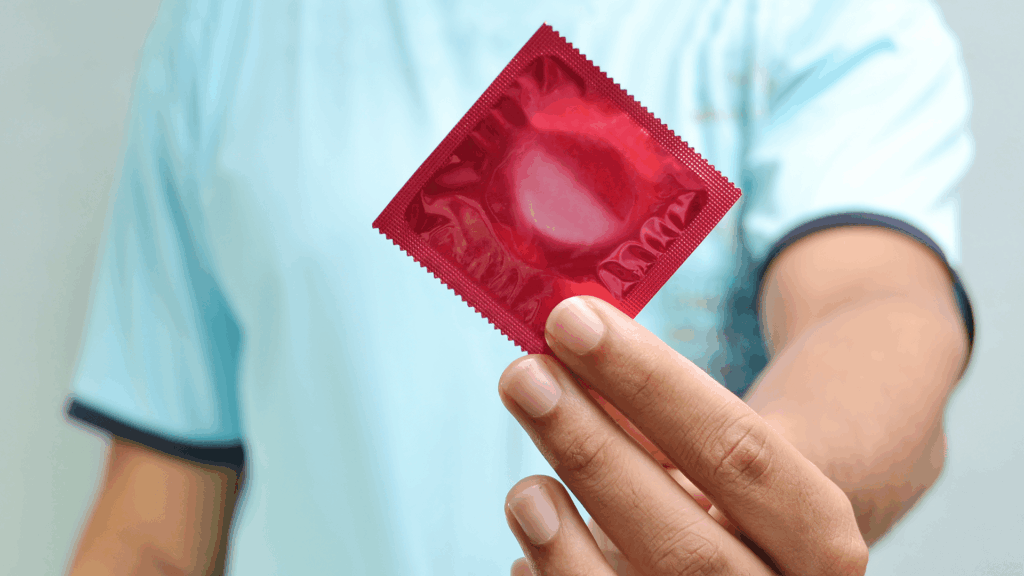
Sexually transmitted infection risk factors include improper or inconsistent use of condoms. It is possible to have Sexually Transmitted Infections with no symptoms. Some people experience symptoms of an infection, like discharge, burning, or itching in the genital area. Other people can have a sexually transmitted infection and have no symptoms at all.
Organizations and individuals can now order free condoms online. To reduce the transmission of HIV and other STIs in Oklahoma, we are making them readily available as part of an essential prevention strategy.
Ending STIs in Oklahoma: A Collective Effort
Reducing the impact of STIs in Oklahoma requires a multi-pronged approach involving:
- Increased Access to Testing & Treatment: Making these services widely available and affordable.
- Destigmatization: Creating an environment where people feel comfortable seeking help.
- Comprehensive Education: Starting early and continuing throughout life.
- Addressing Social Determinants of Health: Tackling poverty, lack of access to healthcare, and other factors that disproportionately impact certain communities.
STI Treatment
The Path to Recovery
Bacterial STIs: Typically treated with antibiotics. It’s crucial to finish the entire course of antibiotics, even if symptoms improve.
Viral STIs: Cannot be cured entirely, but medications can manage symptoms, reduce outbreaks, and lower the risk of transmission.
Getting Treatment in Oklahoma: If you test positive for an STI, seek treatment immediately from your healthcare provider, the OSDH, or a community health center.
STI Education & Resources
The Power of Knowledge
Education is a cornerstone of STI prevention, especially for young people. It’s crucial to have:
- Comprehensive Sex Education: Schools should provide medically accurate, age-appropriate information about STIs, transmission, prevention, and the importance of testing.
- Community-Based Education: Programs targeting high-risk populations, addressing specific cultural and social factors.
- Destigmatizing STIs: Reducing shame and stigma is essential to encourage testing and open conversations about sexual health.
STIs & Mental Health
An STI diagnosis can have emotional and psychological impacts. Feelings of shame, fear, or anxiety are common. Remember:
- You Are Not Alone: Many people live with STIs; support is available.
- Treatment Works: With proper treatment, most STIs can be managed or cured.
- It Doesn’t Define You: An STI diagnosis doesn’t change who you are.
Where to Find Support in Oklahoma
- Oklahoma State Department of Health (OSDH): Provides resources and counseling referrals.
- HIV/AIDS Support Organizations: Offer support groups, education, and advocacy.
- Mental Health Providers: Consider therapy if you’re struggling with the emotional impact of an STI diagnosis.
- The Ending HIV Oklahoma & Hepatitis Planning Council (OHHPC): The OHHPC is dedicated to improving sexual health in Oklahoma. Explore our website or contact us at (405) 426-8400 for resources, information, and how you can be part of the solution.
Frequently Asked Questions
Is it true that if I get treatment for an STI, I won't get it again?
Does taking the pill protect me from STIs?
I’m experiencing pain during sex. Does that mean I have an STI?
What can I do to avoid contracting an STI?
There are some steps you can take to lower your risk of contracting an STI.
- Use condoms every time you have sex and use them correctly.
- Reduce the number of partners. The more people you have sex with, the more likely you will contract an STI.
- Have sex with no more than one other person you trust. Engaging in sexual activity with uninfected people ensure that neither you nor they will contract an STI.
- Don’t engage in sexual activity. Abstinence is the most effective way to avoid contracting an STI.
- Never use IV street drugs, never share needles or “works”, and never combine drugs and alcohol with sex.
If I'm a virgin, can I get an STI?
STIs can be transmitted through oral and anal sex, but many people believe they are still virgins if they haven’t had vaginal intercourse. Even when there is no penetration, some STIs can be transmitted through skin-to-skin contact.
Can STIs be passed on through oral sex?
Yes! Oral sex can put you at risk of both contracting and passing on an STI. Several STIs are transmitted through skin-to-skin contact. You can get syphilis, HPV, gonorrhea and chlamydia infections in your throat, as well as herpes sores around your mouth.
How frequently should I be tested for an STI?
If you are having sex outside of a trusted, monogamous relationship or are experiencing symptoms, you should be screened at least once a year, or before having sex with a new partner. Have your partner screened before engaging in sexual activity.
What is the difference between an STI and an STI?
A sexually transmitted infection is the initial state of infection. Left untreated, STIs can become STIs
All STIs can be prevented with condoms, right?
Condoms are not 100% effective, but if correctly used every time, they are an excellent way to protect yourself from STIs spread through body fluids such as sperm or vaginal secretions. Unfortunately, they do not protect as well against STIs spread through skin-to-skin contact, such as gonorrhea, herpes, and chlamydia.
Is it true that all STIs have symptoms?
Many STIs have no visible symptoms or signs (asymptomatic). Even if you are asymptomatic, you can pass the infection on to your sex partners. As a result, it’s crucial to use protection during sex, such as a condom. Also, see your doctor regularly for STI screening so that an infection can be identified and treated before it spreads.